

Call us now
08045803780

 Send Inquiry
Fuel Handling System
Price 100000.00 INR/ Unit
MOQ : 1 Unit
Fuel Handling System Specification
- Product Type
- Fuel Handling System
- Size
- Custom as per requirement
- Weight
- Depends on configuration
- Car Make
- Industrial Application
- Application
- Power Plants, Industrial Boilers
- Control System
- PLC Based
- Frequency
- 50 Hz
- Corrosion Resistance
- Yes
- Operating Temperature
- Ambient to 250°C
- Safety Feature
- Integrated safety interlocks
- Material
- Mild Steel / Stainless Steel
- Fuel Type
- Coal, Oil, Biomass
- Capacity
- Up to 100 TPH
- Automation Grade
- Automatic
- Maintenance
- Minimal, requires periodic checks
- Design
- Modular and Customized
- Installation
- Onsite with Turnkey Service
- Voltage
- 415 V
Fuel Handling System Trade Information
- Minimum Order Quantity
- 1 Unit
- Supply Ability
- 10 Units, Unit Per Month
- Delivery Time
- 1 Days
About Fuel Handling System
Fuel Handling Systemmoves coal from waggon tipple hoppers utilising belt/bucket conveyors, trucks, etc. It enables the pulverizer to directly regulate the combustion process. It is easier and less expensive than a central system. To improve its technical performance, our system is precisely constructed and examined. Our provided Fuel Handling System is frequently employed in coal/fuel based thermal power plants. The transit system is easy to use. Fewer maintenance fees apply. This system is very effective and economical and safe to use.
Technical Specification
|
Pressure |
12 bar |
|
Type Of Fuel |
Coal |
|
Operating Voltage |
220V |
|
Power |
2 kW |
|
Material |
Mild Steel |
Advanced Automation and Safety
This fuel handling system utilizes a state-of-the-art PLC-based control scheme, ensuring seamless operation and enhanced safety. Integrated safety interlocks provide another layer of protection, minimizing operational risks. Automation reduces manual intervention, increasing system efficiency and operator safety.
Versatile Fuel Compatibility
Designed for use with coal, oil, and biomass, this system adapts to varying industrial needs. Its robust construction from mild steel or stainless steel ensures longevity in harsh conditions. The system manages different fuel types with precision, making it perfect for power plants and boilers.
Custom Design & Turnkey Installation
Each system is tailored to specific project requirements, with size and weight customized for your site. Turnkey installation services ensure a comprehensive setup, from initial assessment to commissioning. Corrosion-resistant materials and minimal maintenance needs reduce long-term costs.
FAQs of Fuel Handling System:
Q: How is the fuel handling system installed onsite?
A: The system is delivered and installed onsite by our expert team as part of a turnkey service. All aspects, from commissioning to final testing, are handled by specialists to ensure seamless integration into your facility.Q: What process does the system use to manage different fuel types like coal, oil, and biomass?
A: The modular design and PLC-based controls enable precise management of multiple fuel types. The system automates loading, conveying, and feeding processes, allowing quick adjustments for various fuels and operational demands.Q: When is periodic maintenance required, and what does it involve?
A: Minimal maintenance is required, typically involving periodic inspections and checks of key components to ensure optimal performance. Maintenance schedules are recommended based on usage and operational conditions.Q: Where are these fuel handling systems most commonly used?
A: They are primarily used in power plants and industrial boilers, but are adaptable for other applications needing efficient and secure fuel management, such as large manufacturing units or utilities.Q: What benefits does the integrated PLC control system provide?
A: The PLC control system automates fuel handling, increases operational efficiency, and enhances safety through constant monitoring and quick adjustment capabilities. It also enables easy troubleshooting and system upgrades.Q: How does the system ensure corrosion resistance and operational safety?
A: High-quality mild steel or stainless steel construction, paired with integrated safety interlocks, delivers strong corrosion resistance and robust safety measures. This ensures reliable, long-term operation under various conditions.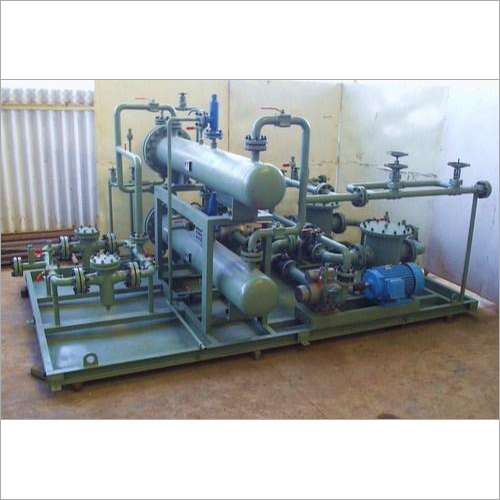
Tell us about your requirement

Price:
Quantity
Select Unit
- 50
- 100
- 200
- 250
- 500
- 1000+
Additional detail
Mobile number
Email


Integro Process Heating Solutions
GST : 09AALFI3700L1Z7
GST : 09AALFI3700L1Z7
|

F-45, Site C, Surajpur Industrial Area, Greater Noida - 201306, Uttar Pradesh, India
Phone :08045803780
 Send Inquiry
- Wastewater Evaporator
- Circulation Heaters
- Drum Heater
- Ibc Heating Jacket
- Hot Air Generator And Blowers
- Zero Liquid Discharge System
- Storage Tanks
- Turnkey Mechanical Fabrication
- Hot Air Generator
- Fuel Handling System
- Hot Water Generators
- Floor Heating Cables
- Blood Bank Equipment
- Industrial Heaters and Heating Systems
- Drum Heating Solutions
- Air Heating System
- Electrical Heat Tracing System
- Tray Dryer
- Outflow Heaters
- Tanker Heating System
- Thermic Fluid Heating System
- Mixing Vessel
- Drainage
- Fuel Oil Handling System
- Warm Floors
- Freeze Protection
- Electrical Turnkey Projects
- Agitator Vessel
- Commercial Food Dehydrator Machine
- Air Duct Heaters
- Heating Chambers
- Heating Equipments
- Inline Heaters
- Flanged Immersion Heaters
 Send Inquiry
 Send SMS
Integro Process Heating Solutions
All Rights Reserved.(Terms of Use)
Developed and Managed by Infocom Network Private Limited.
Developed and Managed by Infocom Network Private Limited.

