

Call us now
08045803780

 Send Inquiry
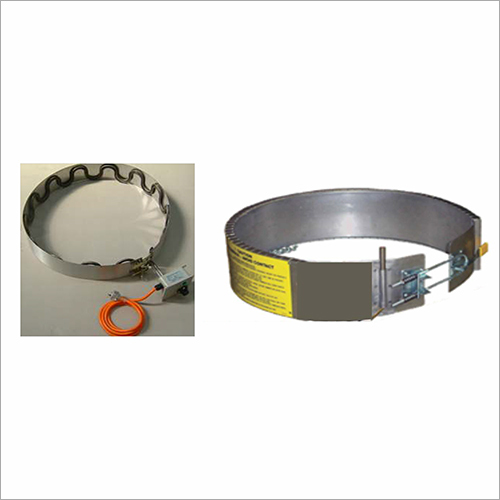
Heating Jacket
Price 72000.0 INR/ Unit
MOQ : 1 Unit
Heating Jacket Specification
- Product Type
- Heating Jacket
- General Use
- Industrial / Laboratory Heating
- Material
- Type
- Flexible Heating Jacket
- Capacity
- Varies by Model (customizable)
- Weight (kg)
- Approx. 1-5 kg
- Computerized
- No
- Automatic
- No
- PLC Control
- No
- Heating System
- Electrical Resistive Heating Element
- Voltage
- 220-240 V AC
- Dimension (L*W*H)
- Standard or Customized Sizes
- Packaging Material
- Cardboard Box / Carton
- Feature
- Uniform heating, Flexible, Easy installation
- Color
- Silver
- Control Method
- Optional Digital/Analog Thermostat
- Application
- Drum, Vessel, Pipe, Tank, Reactor heating
- Temperature Range
- up to 200C (varies by design)
- Cable Length
- 1.5m - 2m Standard
- Fitting Method
- Velcro, Buckle, or Tie-cord
- Insulation
- Thermal Insulating Layer
- Power Rating
- 250W - 3000W (model dependent)
- Outer Covering Material
- High-temperature Textile/Fiber Glass
- Protection Class
- IP40 - IP65 (as per model)
Heating Jacket Trade Information
- Minimum Order Quantity
- 1 Unit
- Supply Ability
- 10 Units Per Month
- Delivery Time
- 7 Days
- Main Export Market(s)
- Asia, Middle East, Africa
- Main Domestic Market
- All India
- Certifications
- ce
Heating Jacket About
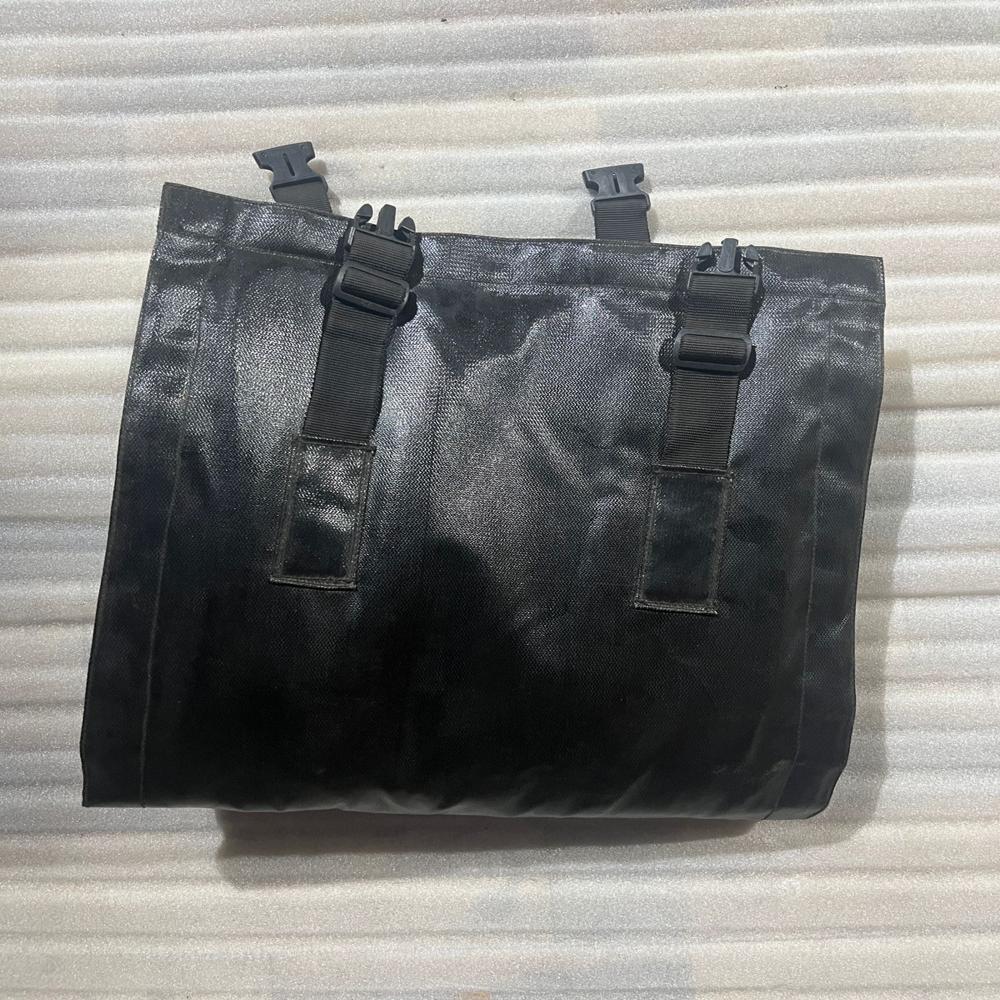
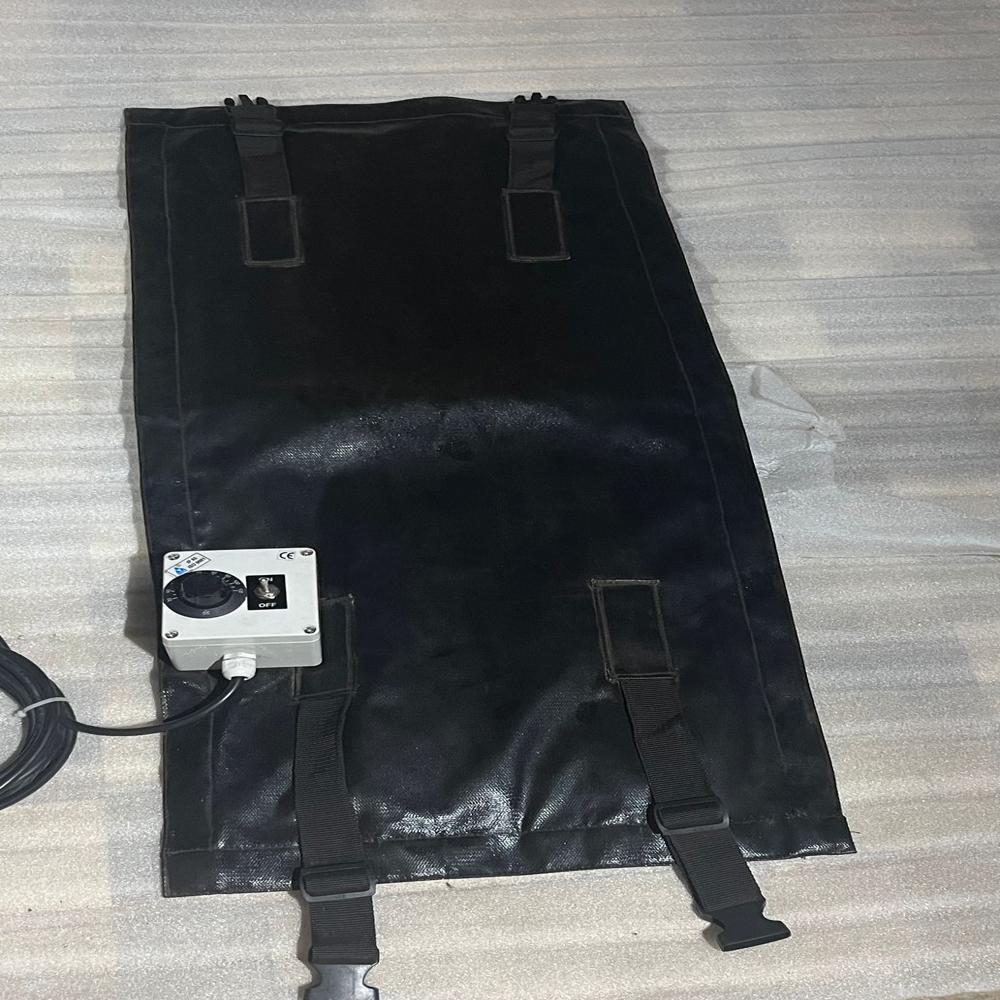
Flexible Heating Jacketsare suitable to raise or maintain temperatures in drums, vessels and process instruments. They are comprises of self- regulating heating cables fixed on a fiberglass cloth jacket. These jackets are per-insulated and manufactured to the shape of the equipment/vessel to be heated. Due to its self- regulating technology and fitted with thermostatic control, they are safe, having long life and smooth operation. TheFlexible Heating Jacketsare equipped with and belts for easy fitment and removal.
Features
- Self-regulating heating element
- Available in 110 and 240VAC frequency range: 50-60Hz
- Fitment: hook and loop fastener
- Moisture and oil resistant uniform heating, highly efficient, maintenance free, precise temperature control
- Adaptability, long life, custom-built construction
- Certifications: UL listed /ATEX approved, Baseefa certified self- regulating heating cable used in jackets.
Technical Specification
|
Frequency |
50-60 Hz |
|
Material |
Fiberglass Cloth |
|
Usage/Application |
Heaters |
|
Max Withstanding Temperature |
Up to 150 degree C |
|
Voltage |
110 and 240 V AC |
Versatile Heating for Industrial Applications
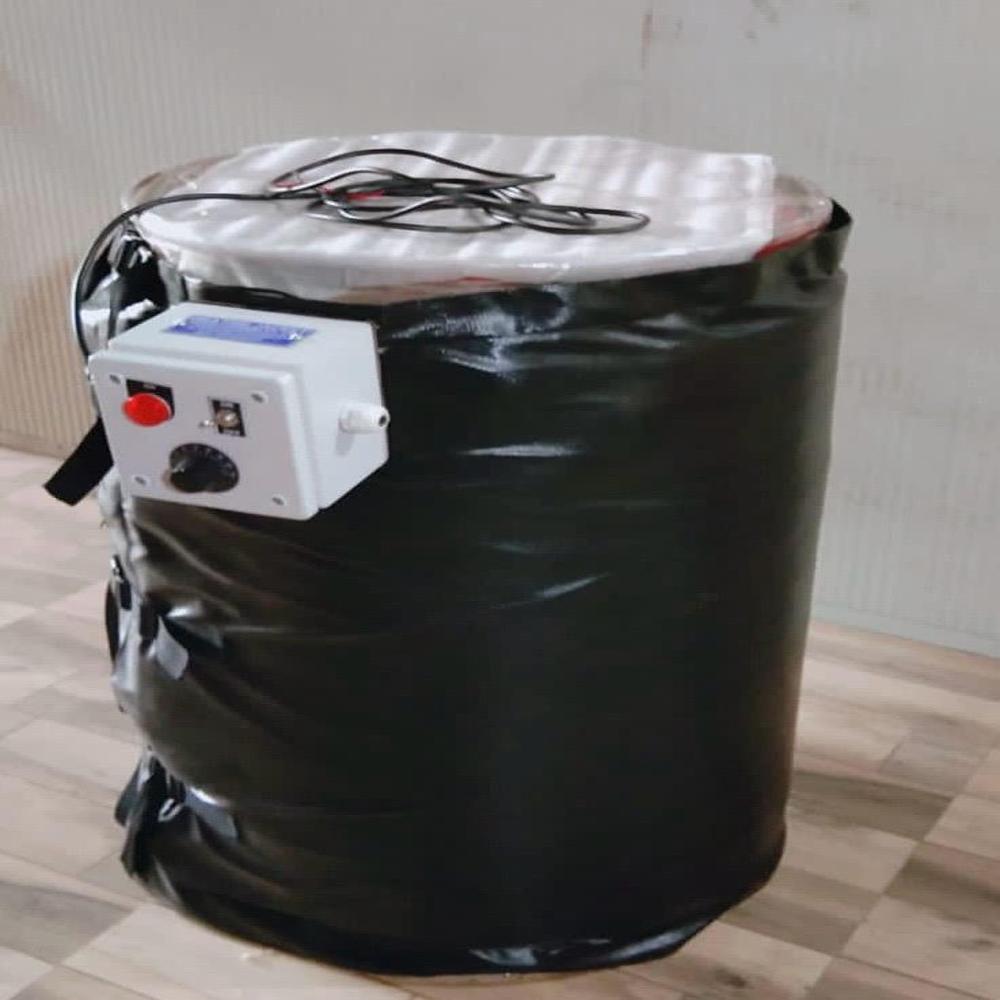
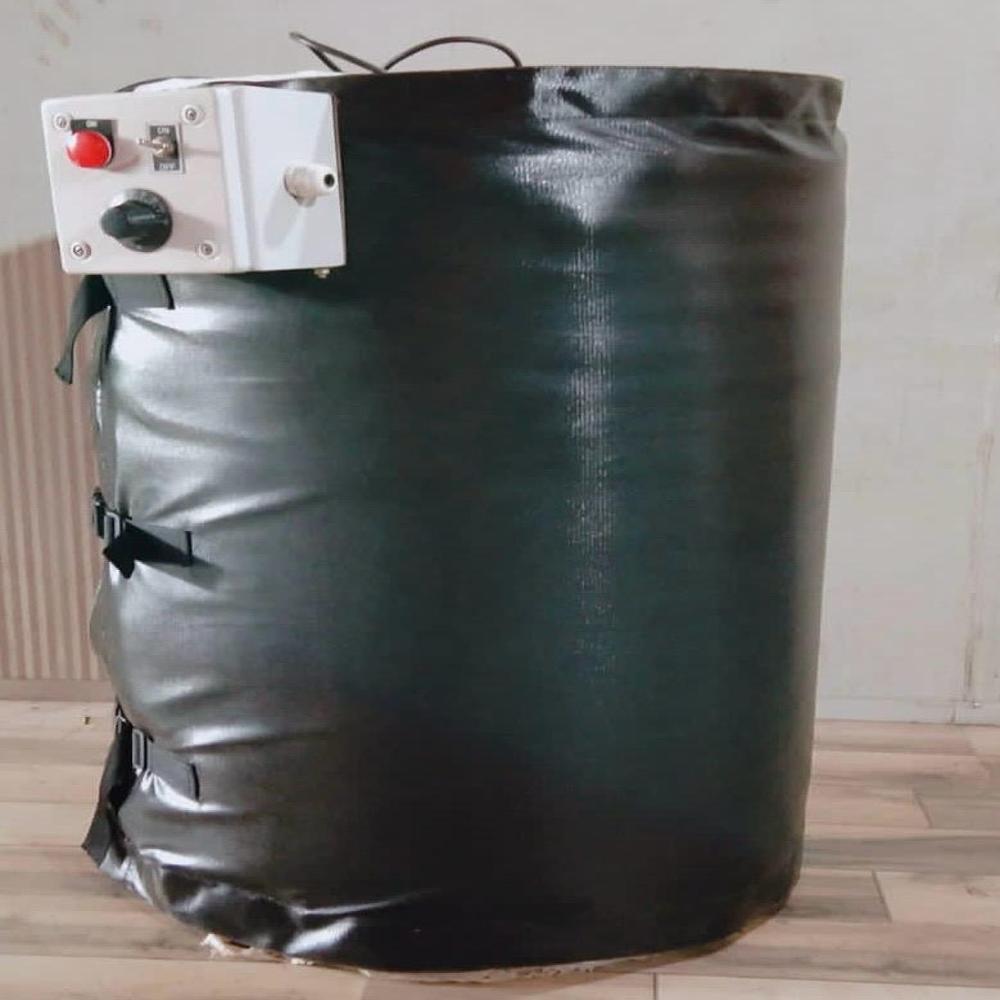
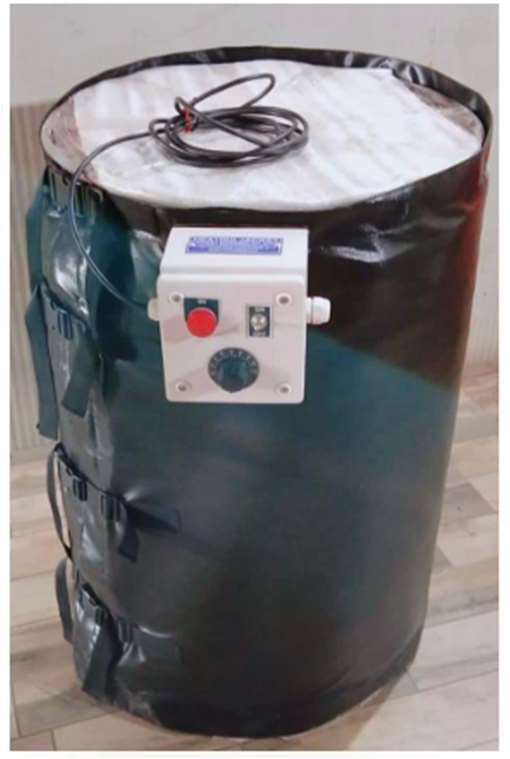
Engineered for adaptability, our heating jackets offer precise temperature control up to 200C, making them suitable for drums, reactors, tanks, and pipes. The robust insulation and high-temperature fabrics ensure safe and uniform heat distribution in demanding environments. With multiple fitting options, installation is streamlined for various vessel designs and sizes.
Flexible Power and Control Options
Select from a wide power rating spectrum (250W-3000W) to match your specific process requirements. Integrated digital or analog thermostats enable accurate temperature management, enhancing safety and energy efficiency. Standard cable lengths (1.5m-2m) provide sufficient flexibility for convenient setup.
Reliable and Safe Operation
Meet your protection needs with models rated from IP40 to IP65. The jackets are constructed from high-temperature textiles and fiberglass, ensuring long-term durability under rigorous conditions. Every unit is designed to facilitate easy fitting and removal while maintaining reliable performance and operator safety.
FAQs of Heating Jacket:
Q: How do I install the heating jacket on my tank or pipe?
A: Installation is simple with fitting methods such as Velcro, buckle, or tie-cord, allowing secure attachment around drums, tanks, pipes, or reactors. The process does not require specialized tools, ensuring quick and hassle-free setup.Q: What is the maximum temperature the heating jacket can achieve?
A: Depending on the model and design, the heating jackets can reach temperatures up to 200C. This ensures they are suitable for most industrial heating requirements, including processing and maintaining temperature-sensitive materials.Q: When should I use a heating jacket instead of traditional band heaters?
A: Use heating jackets when you need uniform heat distribution, additional insulation, or flexible installation on irregular surfaces. They are ideal for applications where standard band heaters may not provide adequate coverage or thermal protection.Q: Where can these heating jackets be applied?
A: Our heating jackets are suitable for drums, vessels, pipes, tanks, and reactors across various industries, including chemical processing, food production, and laboratory environments. Their adaptable design fits a wide range of equipment and containers.Q: What benefits do these heating jackets provide over other solutions?
A: They offer enhanced thermal efficiency, safer external surfaces due to insulation, flexible control options, and easy installation/removal. They also reduce energy consumption and improve process safety compared to uninsulated alternatives.Q: How is temperature controlled in these jackets?
A: Temperature control is managed through optional integrated digital or analog thermostats, enabling precise setting and monitoring. This allows process optimization and helps prevent overheating.Q: What is the process to clean or maintain the heating jacket?
A: To maintain, switch off the jacket and allow it to cool before cleaning. Use a soft, dry cloth for the exterior high-temperature textile or fiberglass cover, and avoid harsh chemicals to preserve material integrity and performance.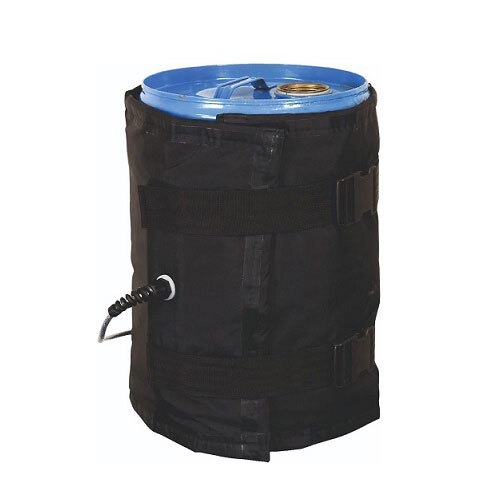
Tell us about your requirement

Price:
Quantity
Select Unit
- 50
- 100
- 200
- 250
- 500
- 1000+
Additional detail
Mobile number
Email

More Products in Drum Heating Solutions Category
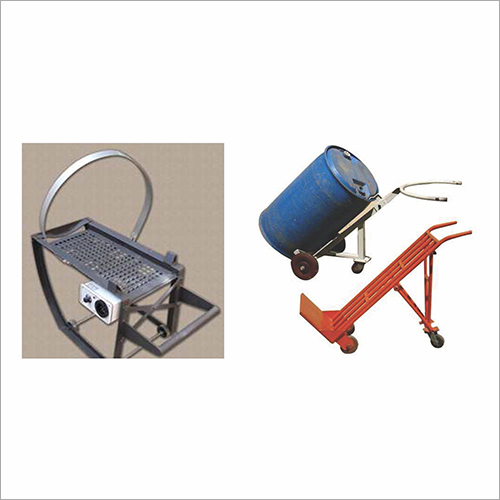
Heating Trolley
Price 10000 INR / Unit
Minimum Order Quantity : 1 Unit
Color : Other, Silver
General Use : Industrial/Commercial food warming
Dimension (L*W*H) : Approx. 1100 x 550 x 900 mm
Computerized : No
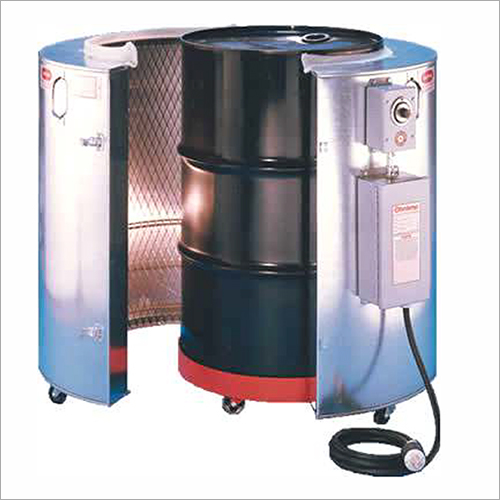
Heater For Metallic Drum
Price 10000.0 INR / Unit
Minimum Order Quantity : 1 Unit
Color : Other, Orange (typical)
General Use : Industrial Drum Heating
Dimension (L*W*H) : Approx. 1250 mm x 250 mm (varies with model)
Computerized : No
Clamp On Type Drum Heaters
Price 10000.0 INR / Piece
Minimum Order Quantity : 1 Piece
Color : Other, Silver/Black
General Use : Heating and maintaining temperature of drum contents
Dimension (L*W*H) : Typically 1250mm x 150mm x 20mm or customized as needed
Computerized : No

Integro Process Heating Solutions
GST : 09AALFI3700L1Z7
GST : 09AALFI3700L1Z7
|

F-45, Site C, Surajpur Industrial Area, Greater Noida - 201306, Uttar Pradesh, India
Phone :08045803780
 Send Inquiry
- Wastewater Evaporator
- Circulation Heaters
- Drum Heater
- Ibc Heating Jacket
- Hot Air Generator And Blowers
- Zero Liquid Discharge System
- Storage Tanks
- Turnkey Mechanical Fabrication
- Hot Air Generator
- Fuel Handling System
- Hot Water Generators
- Floor Heating Cables
- Blood Bank Equipment
- Industrial Heaters and Heating Systems
- Drum Heating Solutions
- Air Heating System
- Electrical Heat Tracing System
- Tray Dryer
- Outflow Heaters
- Tanker Heating System
- Thermic Fluid Heating System
- Mixing Vessel
- Drainage
- Fuel Oil Handling System
- Warm Floors
- Freeze Protection
- Electrical Turnkey Projects
- Agitator Vessel
- Commercial Food Dehydrator Machine
- Air Duct Heaters
- Heating Chambers
- Heating Equipments
- Inline Heaters
- Flanged Immersion Heaters
 Send Inquiry
 Send SMS
Integro Process Heating Solutions
All Rights Reserved.(Terms of Use)
Developed and Managed by Infocom Network Private Limited.
Developed and Managed by Infocom Network Private Limited.

