

Call us now
08045803780

 Send Inquiry
Electric Heat Tracing
Price 1400.00 INR/ Piece
MOQ : 100 Pieces
Electric Heat Tracing Specification
- Frequency
- 50 Hz / 60 Hz
- Heating Element
- Nichrome Wire
- Usage
- Industrial Heating, Freeze Protection, Process Temperature Maintenance
- Phase
- Single / Three Phase
- Voltage
- 110V / 220V / 240V
- Diameter
- 6 mm to 10 mm
- Temperature
- Up to 250°C
- Terminal Type
- Crimped / Soldered
- Mounting Type
- Surface Mounted / Clamped
- Application Areas
- Pipelines, Tanks, Vessels, Industrial Process Equipment
- Features
- Self-Regulating, Weather Resistant, Easy Installation
- Material Specified
- Copper / Stainless Steel
- Insulation Material
- PVC / Silicone Rubber
- Shape
- Flexible Strip / Cable
- Power
- 10 W/m to 60 W/m
- IP Rating
- IP65
- Color
- Black / Red
- Control Method
- Thermostatic / Manual
- Length
- Customizable (Standard: 1 m to 100 m)
- Minimum Bend Radius
- 50 mm
- Ambient Temperature Range
- -40C to +60C
- Storage Conditions
- Store in Cool, Dry Place
- Fire Resistance
- Flame Retardant
Electric Heat Tracing Trade Information
- Minimum Order Quantity
- 100 Pieces
- Supply Ability
- 10 Pieces Per Month
- Delivery Time
- 7 Days
- Main Domestic Market
- All India
Electric Heat Tracing About
Application
Electrical heat tracing is a method of applying heat to pipes, tanks, instruments & associated equipment using heating cables. The heating cable is used to heat a product as it flows through pipes/equipment and also to heat products contained within vessels. Electrical heat tracing is a method of applying heat to:
- Liquid for preventing freezing and reducing viscosity.
- An anti-condensation powder to prevent clogging, condensation on walls of the equipment.
- Gas that prevents hydration due to drops in pressure across pipework fittings such as valves.
The main use of the heat trace is to maintain the product at the right temperature to prevent processing problems, and is also useful for heating pipelines and equipment.
The general components of an electric heat tracer are:
- Heat tracing cables
- Junction Boxes for power/ end/splice/TEE
- Mounting stands and hardware
- Termination Kits
- Temperature sensors (RTD/Thermostat)
- Adhesive tapes
As part of the electrical heat tracing system, there are:
- Control/Distribution panel
- Transformer (optional)
- Power and control cables
- Earthing material
- Cable trays
- Glands and shrouds
Heat Tracing Cables
Integras heat tracing cables provide the highest output and greatest temperature withstand. Heat tracers have international approvals by IEC X, CSA, FM, ATEX and EAC for use in classified hazardous areas
The range involves the following:
- Self regulating heat tracer
- Parallel Constant wattage heat tracer
- Series Long line heating cable
- Skin effect heat tracing system
- Tubing bundle
- Series constant wattage heat tracer
- Mineral insulated (MI) constant wattage heating cable
- Power limiting heating cables
Junction Boxes
A junction box from Integro for terminating heat traces for power, end, splice TEE and larger cable terminations is available (field junction boxes). Junction boxes can be used in safe areas, hazardous areas, or in corrosive environments.
MOC: LM6, SS304, CRCA, FRP. Protection class IP65
Temperature Sensors
An L-shaped RTD (PT100) and an enclosed thermostat designed for installation on pipelines and tanks.
It can be installed safely in hazardous areas.
Mounting stands and installation hardware
Mounting stands and hardware are available for junction boxes, field junction boxes, and temperature sensors. A custom mounting stand can also be provided for distribution panels. MOC: MS powder coated or SS304, as per site requirement
Frequently Asked Questions
1. Electrical heat tracing: What is it?
Ans - An electrical system called a heat trace system is used to keep pipes and vessels at a certain temperature or increase it. By using a resistive element that is run alongside the piping or vessel, electric heating is accomplished.
2. Why is electrical tracing effective?
Ans - In order to achieve uniform heating along pipes, electric heat tracing uses cable that is intended to offer constant watts per unit of length. To guide the heat output toward the fluid inside, insulation is placed to all sides of the pipe but the pipes orientation.
3. What is temperature control via electrical heat tracing?
Ans - The technique of checking and maintaining the temperature on tanks, pipes, valves, instrument panels, and other objects is known as electrical heat tracing. There is a lot more to an electrical heat tracing system than just the heating line. From design to installation, commissioning, and testing, Supermec offers a full system.
4. How much energy is required for electrical heat tracing?
Ans - Heat tape uses nine (9) watts on average per lineal foot.
Reliable Weather and Fire Resistance
Engineered for consistent performance, our heat tracing cables exhibit excellent weather resistance and flame retardant properties. With an IP65 rating, these cables are safeguarded against dust and water ingress, making them ideal for both indoor and outdoor industrial environments. Their capability to withstand ambient temperatures from -40C to +60C ensures reliable operation even in extreme conditions.
Customizable Length and Flexible Installation
Our electric heat tracing systems offer customizable lengths ranging from 1 m to 100 m, accommodating various project requirements. Designed as flexible strips or cables, they can be surface mounted or clamped to pipelines, tanks, or industrial equipment. The minimum bend radius of 50 mm makes installation around complex layouts straightforward and efficient.
Versatile Applications and Efficient Heating
Suitable for pipelines, tanks, vessels, and industrial process equipment, these heat tracing systems deliver precise temperature maintenance and freeze protection. With self-regulating technology, the cables optimize energy usage, while thermostatic or manual controls provide tailored heat management up to 250C. Available in multiple voltages and phases, they seamlessly integrate with diverse power systems.
FAQs of Electric Heat Tracing:
Q: How do I determine the correct length and power output needed for my heat tracing application?
A: To select the appropriate length and power output for your application, evaluate your pipe or equipments dimensions and the desired temperature maintenance. Our systems are available from 1 m to 100 m and offer a power range of 10 W/m to 60 W/m. For temperature-sensitive operations or freeze protection, consulting with our technical team can ensure the optimal configuration.Q: What are the main benefits of using flame retardant, IP65-rated heat tracing cables?
A: Flame retardant and IP65-rated heat tracing cables provide enhanced safety, durability, and protection against fire, dust, and water ingress. These features are especially important in industrial settings where reliability and safety are paramount, minimizing downtime and reducing maintenance costs.Q: When should I use thermostatic control versus manual control in heat tracing systems?
A: Thermostatic control is recommended for applications requiring automatic and precise temperature management, thereby saving energy and extending cable life. Manual control may be suitable for simpler processes or where periodic adjustments are sufficient. The choice depends on the complexity and safety requirements of your specific system.Q: Where can these heat tracing cables be installed, and what surfaces are compatible?
A: These flexible cables can be surface mounted or clamped onto pipelines, tanks, vessels, and other industrial process equipment. The design supports a minimum bend radius of 50 mm and accommodates diameters between 6 mm and 10 mm, ensuring compatibility with a wide range of industrial surfaces and geometries.Q: What process should I follow to store and maintain these cables before installation?
A: Store the heat tracing cables in a cool, dry place to maintain their insulation integrity and component reliability. Avoid prolonged exposure to moisture or high temperatures, and inspect the cables for any damage before installation to ensure optimal performance after deployment.Q: What are the common usage scenarios for these heat tracing systems?
A: These heat tracing solutions are widely used for industrial heating, freeze protection, and process temperature maintenance in sectors such as chemical processing, oil & gas, water treatment, and food manufacturing, safeguarding operational efficiency even in challenging climates.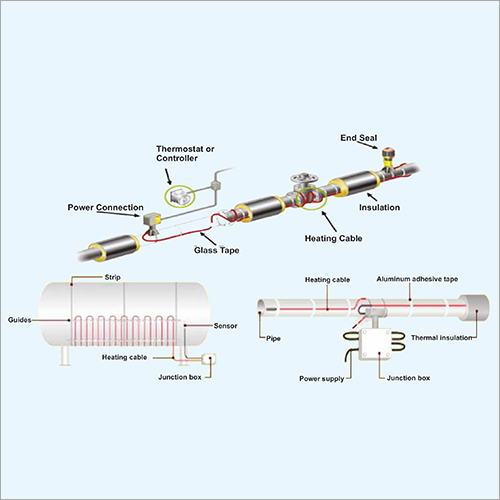
Tell us about your requirement

Price:
Quantity
Select Unit
- 50
- 100
- 200
- 250
- 500
- 1000+
Additional detail
Mobile number
Email

More Products in Electrical Heat Tracing System Category
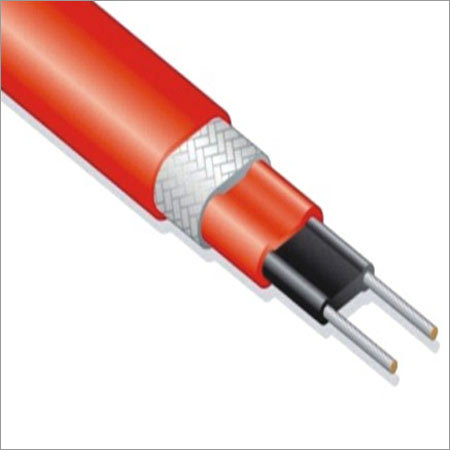
Self Regulating Heating Cables
Price 1000 INR / Unit
Minimum Order Quantity : 1 Unit
Usage : Industrial, Commercial, Residential
Material Specified : Other, Copper Conductor
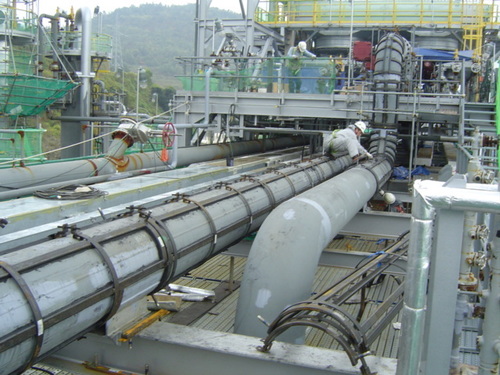
Electric Heat Tracer
Price 1000 INR / Unit
Minimum Order Quantity : 1 Unit
Usage : Industrial Heating and Tracing Applications
Material Specified : Other, PTFE (Polytetrafluoroethylene)
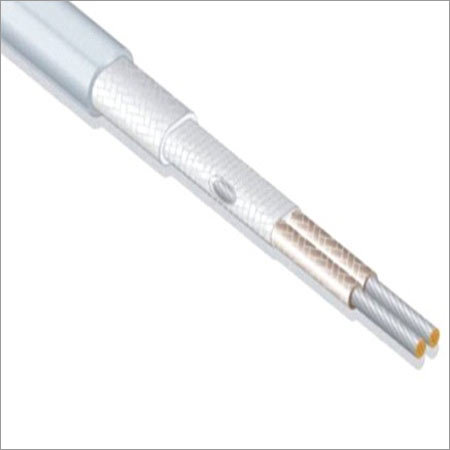
Constant Wattage Heating Cables
Price 1000 INR / Unit
Minimum Order Quantity : 1 Unit
Usage : Industrial
Material Specified : Other, Heating Cables
Product Type : Heating Cables
Color : White
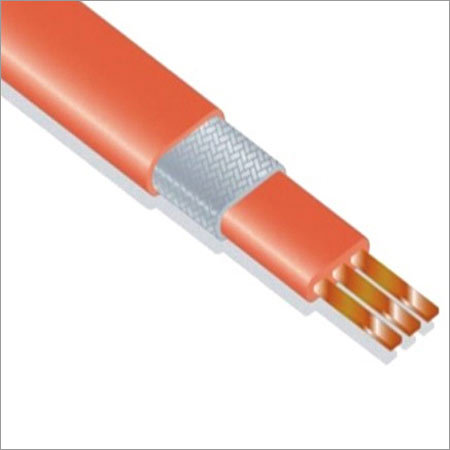
Series Resistance (Longline) Heating Cables
Price 1000 INR / Unit
Minimum Order Quantity : 1 Unit
Usage : Industrial
Material Specified : Other
Product Type : Heating Cables
Color : Orange

Integro Process Heating Solutions
GST : 09AALFI3700L1Z7
GST : 09AALFI3700L1Z7
|

F-45, Site C, Surajpur Industrial Area, Greater Noida - 201306, Uttar Pradesh, India
Phone :08045803780
 Send Inquiry
- Wastewater Evaporator
- Circulation Heaters
- Drum Heater
- Ibc Heating Jacket
- Hot Air Generator And Blowers
- Zero Liquid Discharge System
- Storage Tanks
- Turnkey Mechanical Fabrication
- Hot Air Generator
- Fuel Handling System
- Hot Water Generators
- Floor Heating Cables
- Blood Bank Equipment
- Industrial Heaters and Heating Systems
- Drum Heating Solutions
- Air Heating System
- Electrical Heat Tracing System
- Tray Dryer
- Outflow Heaters
- Tanker Heating System
- Thermic Fluid Heating System
- Mixing Vessel
- Drainage
- Fuel Oil Handling System
- Warm Floors
- Freeze Protection
- Electrical Turnkey Projects
- Agitator Vessel
- Commercial Food Dehydrator Machine
- Air Duct Heaters
- Heating Chambers
- Heating Equipments
- Inline Heaters
- Flanged Immersion Heaters
 Send Inquiry
 Send SMS
 Call Me Free
Integro Process Heating Solutions
All Rights Reserved.(Terms of Use)
Developed and Managed by Infocom Network Private Limited.
Developed and Managed by Infocom Network Private Limited.

